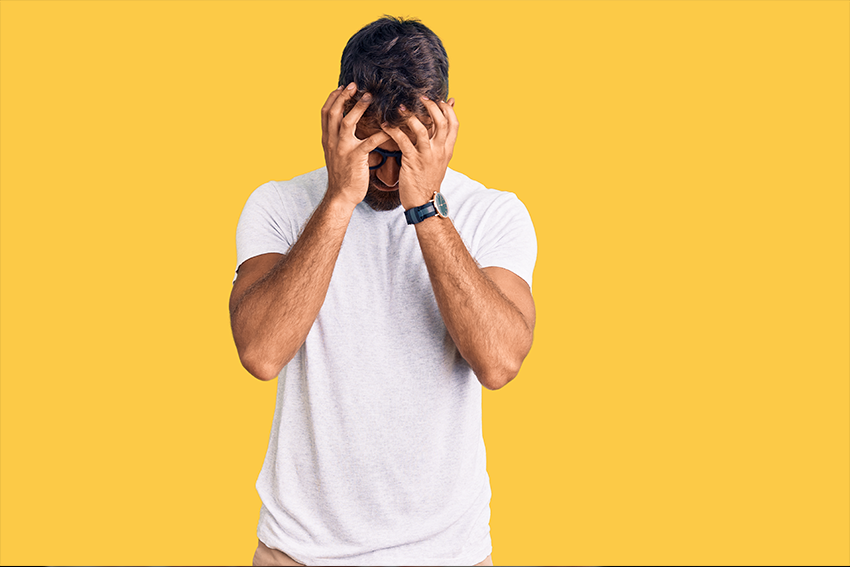
A cervicogenic headache is a common cause of a chronic headache that is often misdiagnosed. Presenting features can be complex and resemble many primary headache syndromes encountered daily. Contrary to popular belief, headaches do not always originate from the brain or other structures in the head. It was thought long ago that headaches could also originate from the neck, it was discussed for years, and in 1983 the term cervicogenic headache was introduced into medicine.
Various disorders of structures such as nerve roots, bones, muscles, joints and discs located in the neck or back of the head give symptoms in the form of headaches.
The pain is unilateral. However, depending on the location and degree of neck disorders, pain may occur on both sides. There may be limitation of neck movements in various directions, and the headache may be revealed by various neck movements.
The most important clinical finding of cervicogenic headache is the disruption of C1-C2 (atlanto-axial) movement. Although cervicogenic headaches are typically associated with upper cervical dysfunction, some symptoms of cervicogenic headaches may occur in patients with lower cervical dysfunction, especially after trauma.
Painkillers provide limited benefit in treatment. It is known that physiotherapy provides benefits by relaxing neck movements and eliminating muscle contractions in the neck.
Recent studies have found that individuals suffering from headaches, especially after Upper Cervical (C0-C1-C2-C3) manipulations, have a significant decrease in their complaints and an increase in their quality of life.
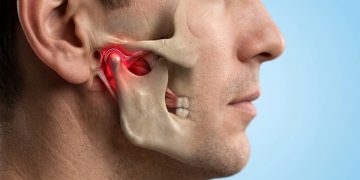
In such disorders where the integrity of the spine is in question, the doctor should also evaluate other areas such as the back and waist, check the jaw joint and approach the patient with a holistic perspective.
You can get rid of your neck-related headaches and improve your quality of life with the right exercises and nutrition program that the physiotherapist will recommend after chiropractic.
Specialist Physiotherapist Emre YAZ