Hearing Loss
Hearing loss is the condition of having difficulty perceiving or understanding sounds. It can develop due to various reasons and is generally categorized into three main types:
- Conductive Hearing Loss: Occurs due to problems in the outer or middle ear.
- Sensorineural Hearing Loss: Results from damage to the inner ear or auditory nerve.
- Mixed Hearing Loss: A combination of both conductive and sensorineural hearing loss.
The causes of hearing loss include genetic factors, infections, aging, exposure to loud noises, side effects of medications, and trauma.
Vagus Nerve
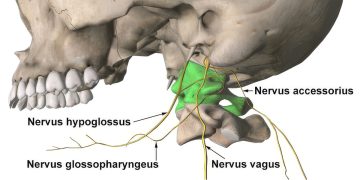
The vagus nerve, also known as the tenth cranial nerve (CN X), is one of the longest nerves in the body. It originates in the brain and extends through the neck, chest, and abdominal regions. It plays a significant role in the parasympathetic nervous system, regulating the functions of various organs. This nerve is involved in controlling heart rate, respiration, digestion, and even immune responses.
Activating the vagus nerve is a technique aimed at stimulating the parasympathetic nervous system to promote relaxation, reduce stress, and improve overall health. The vagus nerve, as one of the longest nerves transmitting signals from the brain to the body, plays a vital role in regulating heart rate, digestion, immune functions, and mood. Here are some ways to activate the vagus nerve:
- Deep Breathing Exercises
- Suboccipital Muscle Release Techniques
- Osteopathy
- Chiropractic Therapy
The Relationship Between the Vagus Nerve and Hearing
There is an indirect relationship between the vagus nerve and hearing. A branch of the vagus nerve, known as the auricular branch (Arnold’s nerve), sends neural signals to the ear region. This nerve provides sensory input to the ear canal and surrounding areas.
Some studies have explored the effects of vagus nerve stimulation (e.g., vagus nerve stimulation therapy) on the auditory system. Particularly in tinnitus (ringing in the ears) treatment, vagus nerve stimulation may help enhance neuroplasticity, allowing the brain to restructure its auditory perception. However, this approach is mostly used in clinical trials and specific cases.
Conclusion
While the relationship between hearing loss and the vagus nerve is not direct, vagus nerve-related approaches can be significant, particularly in tinnitus and neurological treatments.