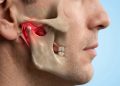
Misalignments in the atlas vertebra not only create mechanical problems but can also lead to serious psychological and physiological issues in individuals due to pressure on the vagus nerve. By correcting these dysfunctions, not only symptoms like hearing loss and tinnitus can improve, but also stress, anxiety, panic attacks, and other sympathetic nervous system disorders may diminish. A good treatment plan should take all of these systems into consideration.
The subluxation of the atlas vertebra (C1) can lead to many cranial and neurological dysfunctions, particularly due to its effects on the brainstem. The brainstem is an important center that regulates the body’s central nervous system, and the subluxation of the atlas can affect blood flow and nerve transmission in this area, leading to serious issues. This type of subluxation can cause pressure in the lower parts of the brainstem, resulting in a condition known as ‘cranio-cervical dysfunction.’ This condition manifests with various symptoms, including headaches, dizziness, visual disturbances, sleep apnea, and difficulty swallowing.
This pressure on the brainstem transforms communication between the body and the brain into a sort of ‘traffic jam,’ negatively affecting the body’s neurological functioning. In particular, pressure on the ventral vagus nerve disrupts the functioning of the parasympathetic nervous system, which can lead to chronic stress, anxiety disorders, and even panic attacks in individuals. By alleviating this pressure on the vagus nerve in the brainstem region, many neurological and autonomic functions can return to normal, significantly relieving patients’ symptoms.
The effects of these subluxations, starting with the C1 vertebra, often continue with alignment disorders in the cervical, thoracic, and lumbar regions. In the cervical region (C2-C7), symptoms such as neck pain, numbness or weakness in the arms and shoulders, and shortness of breath due to diaphragm involvement can be observed. Thoracic spine alignment disorders (T1-T12) can lead to problems related to the heart, lungs, and digestive system. In the lumbar region (L1-L5), issues such as lower back pain, weakness in the legs, bowel problems, and reproductive system disorders may arise. The subluxation of each vertebra in the spine is associated with various ailments in the body, and misalignments in specific spinal regions can lead to functional disorders in the organs and systems associated with that area. Subluxation occurs when a vertebra shifts from its normal alignment, affecting the functioning of nerves, muscles, and other tissues. Here are some issues that subluxations in different spinal regions can cause:
1. Cervical (Neck) Region (C1-C7):
C1 (Atlas) and C2 (Axis) subluxation: Associated with headaches, migraines, sinus problems, high blood pressure, eye pain, tinnitus, dizziness, and even some hearing loss.
2. Thoracic (Upper Back) Region (T1-T12): Subluxations in the thoracic spine generally affect heart and lung functions. For example, issues between T1-T4 can lead to chest pain, shortness of breath, or asthma-like symptoms. Subluxations between T5-T9 are associated with organs such as the stomach, liver, and gallbladder. Stomach problems, reflux, and digestive issues are particularly common in this region.
The lower thoracic region (T10-T12) is related to kidney functions. Kidney stones, kidney dysfunction, and urinary tract issues may be connected to misalignments in this area.
3. Lumbar (Lower Back) Region (L1-L5):
Lumbar subluxations can lead to issues such as intestinal problems, constipation, reproductive system disorders, and lower back pain. For instance, problems at the L1-L3 levels can affect the digestive system, resulting in bowel issues and conditions like infertility. Subluxations at the L4 and L5 levels may cause weakness, numbness, and sciatic pain in the lower extremities (legs).
4. Sacral and Pelvic Region:
The sacral region is associated with the reproductive organs and lower intestinal systems. Subluxations in the sacrum can lead to pelvic pain, reproductive issues, and particularly menstrual irregularities or infertility in women.
The multifaceted effects of subluxations on the body indicate that the spine influences not only mechanical functions but also has a broad impact on the nervous system and organs. This underscores how closely spinal health is related to overall body functions.

Physiotherapist