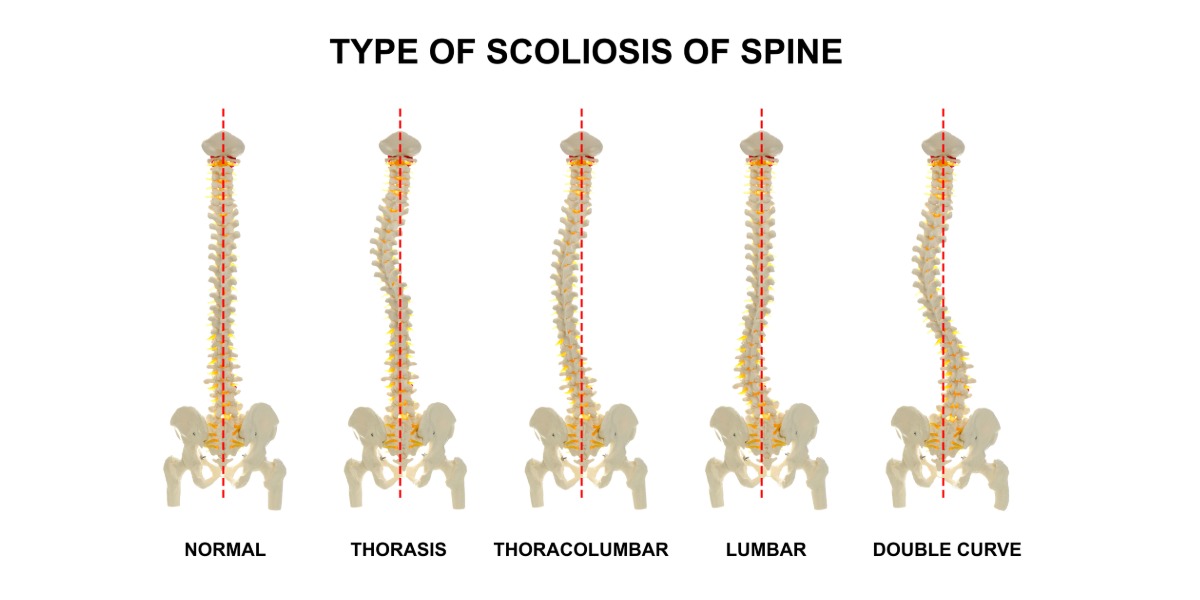
Scoliosis is a three-dimensional spinal condition that is not limited to a sideways curvature of the spine, but also involves rotational and postural changes. It can occur during childhood, adolescence, or adulthood and may lead over time to muscle imbalances, restricted mobility, and pain. Therefore, scoliosis treatment should focus not only on the degree of curvature but also on the individual’s functional status.
Among conservative treatment approaches, manual therapy holds an important place in managing the musculoskeletal problems caused by scoliosis.
What Is Manual Therapy?
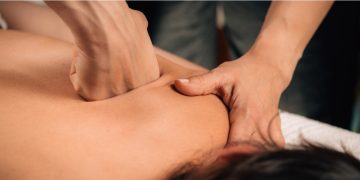
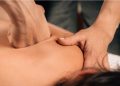
Manual therapy includes specialized assessment and treatment techniques applied by physiotherapists using their hands on muscles, joints, and soft tissues. Its aim is to promote more balanced functioning of the spine and surrounding tissues, reduce pain, and improve movement quality.
In individuals with scoliosis, the muscles surrounding the spine often work asymmetrically. Some muscle groups become shortened and tense, while others remain weak and underactive. Manual therapy helps regulate this imbalance.
How Does Manual Therapy Work in Scoliosis?
Manual therapy does not structurally eliminate scoliosis. However, when properly planned, it serves as a strong supportive approach that enhances the effectiveness of overall treatment.
The main goals of manual therapy in scoliosis include:
-
Reducing muscle tension in and around the spine
-
Increasing joint range of motion
-
Controlling pain
-
Improving postural awareness
-
Preparing the body for exercise therapy
In particular, releasing shortened soft tissues on the concave side of the curve and relieving overloaded spinal segments can help individuals perform daily activities more comfortably.
Is Manual Therapy Sufficient on Its Own?
Manual therapy alone is not sufficient for scoliosis treatment. The most effective results are achieved when it is combined with individually tailored scoliosis-specific exercise programs.
One commonly used approach is the Schroth Method. The Schroth approach focuses on three-dimensional spinal correction, proper breathing patterns, and postural control. Manual therapy helps prepare the tissues before exercise, allowing exercises to be performed more efficiently and correctly.
Who Can Benefit from Manual Therapy?
Manual therapy may provide positive outcomes particularly for:
-
Individuals with mild to moderate scoliosis
-
Those experiencing back, lower back, or neck pain related to scoliosis
-
Patients with adult-type (degenerative) scoliosis
-
Individuals considering non-surgical treatment options
However, every scoliosis case is different. Therefore, manual therapy applications should always be planned on an individual basis by a qualified physiotherapist following a thorough assessment.
Scoliosis should be addressed not only through radiological measurements but also by considering the individual’s functional capacity and quality of life. Manual therapy is an effective supportive treatment for muscle imbalances, movement limitations, and pain associated with scoliosis. For long-term and lasting benefits, it is crucial that manual therapy be combined with scoliosis-specific exercise programs.
The goal of the clinical approach is to help individuals use their spine more efficiently, reduce pain, and support a more comfortable performance of daily life activities.