Vagus nerve (10th cranial nerve) is one of the most important elements of the parasympathetic nervous system and has a wide range of influence extending from the head and neck region to the thoracic and abdominal organs. Its relationship with tinnitus and certain types of hearing loss is particularly noteworthy.
Audiological Connections of the Vagus Nerve
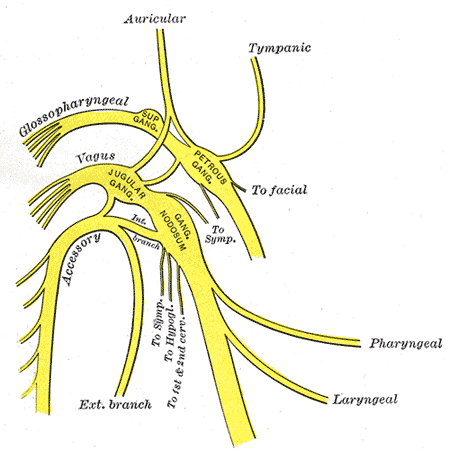
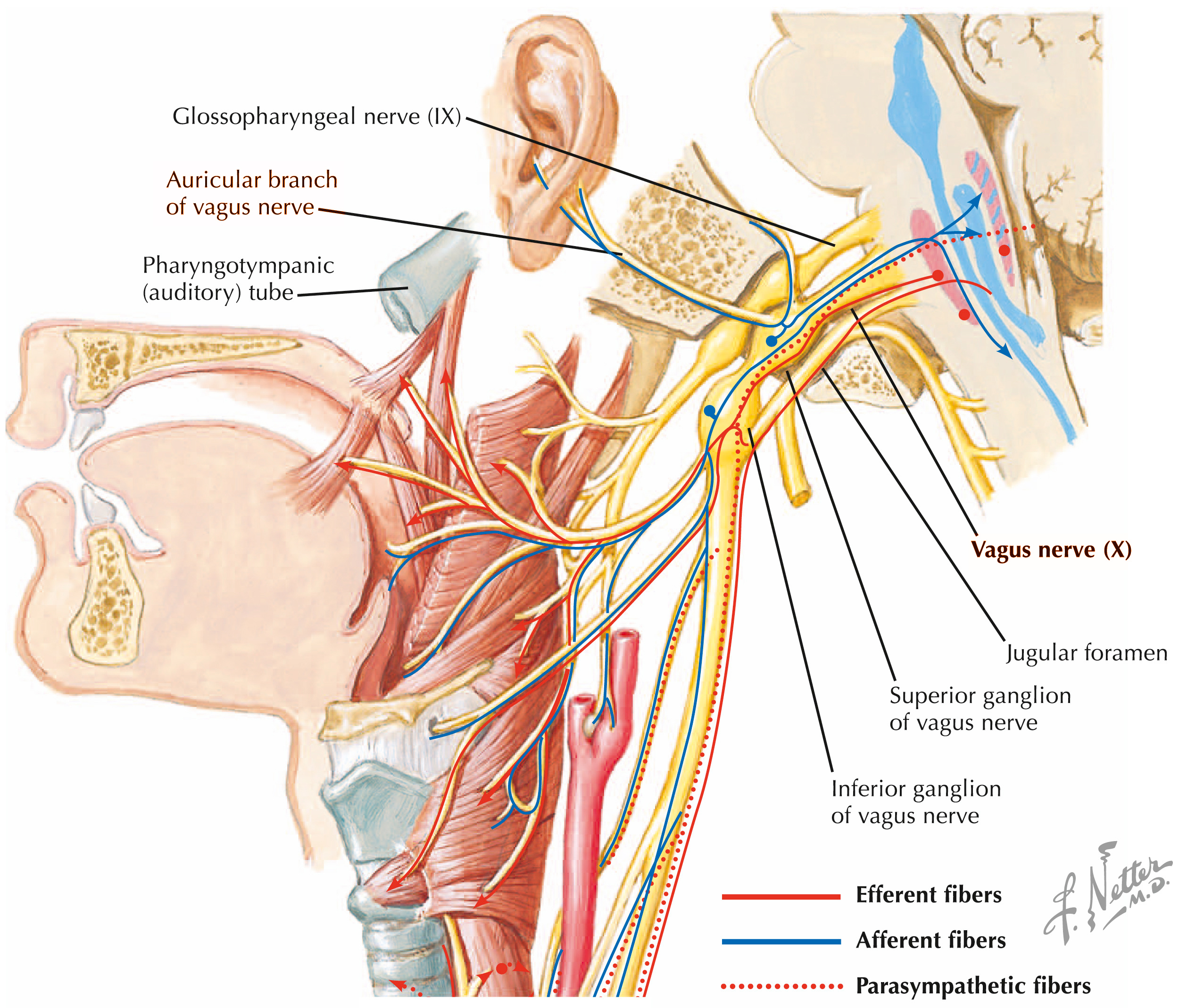
The auricular branch of the vagus nerve (also known as Arnold’s nerve) provides sensory innervation to part of the external auditory canal and auricle. This connection demonstrates the direct relationship of the vagus nerve with the ear. In addition, the vagus nerve has neurophysiological interactions between nuclei in the brainstem and certain parts of the auditory pathways. Especially connections from the nucleus tractus solitarius and the dorsal motor nucleus of the vagus establish indirect communication with the limbic system and auditory nuclei in the brainstem.
This neural network suggests that the vagus nerve may play a modulatory role in symptoms such as hearing loss and tinnitus.
Tinnitus and the Vagus Nerve
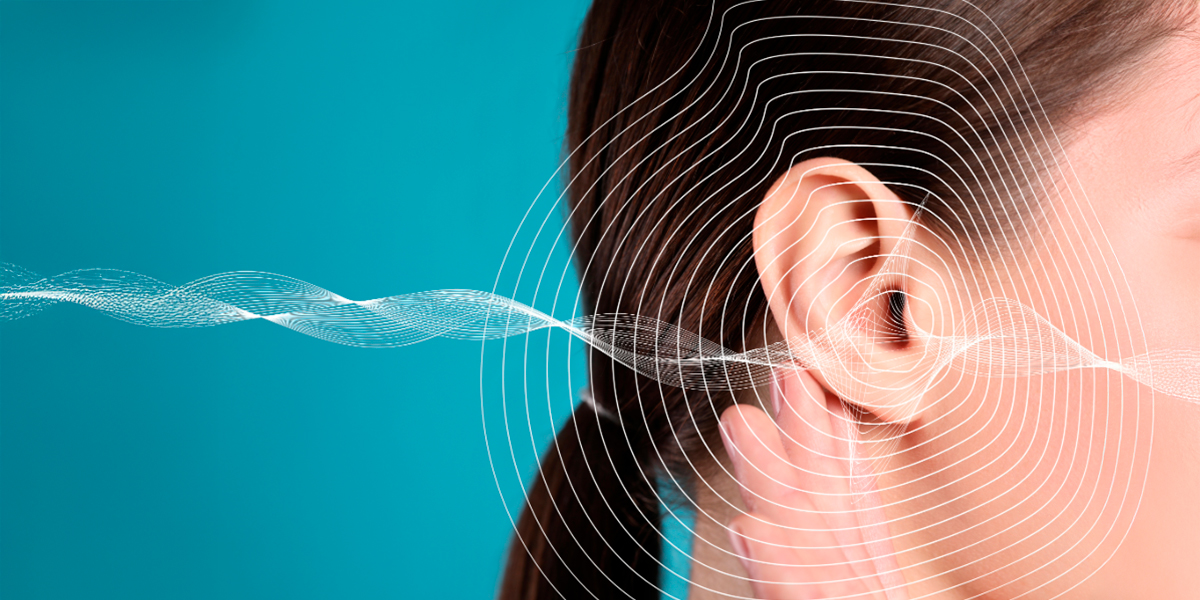
Tinnitus is the perception of sound in the ear or head without an external sound source. Although its pathophysiology has not been fully explained, abnormal neuronal activity in the auditory system, cortical plasticity changes, and the interaction between the limbic system and the auditory system play important roles.
Recent studies have shown that vagus nerve stimulation (VNS) may reduce the symptoms of tinnitus. The main mechanism is explained as follows:
- Modulating Neuroplasticity: Stimulation of the vagus nerve can affect brain plasticity and regulate abnormal activity in the auditory cortex.
- Limbic System Interaction: The distressing aspect of tinnitus is often linked to the limbic system. Since the vagus nerve is connected to this region, it may help regulate emotional responses.
- Neurotransmitter Release: VNS increases the release of neurotransmitters such as norepinephrine and acetylcholine, contributing to the rebalancing of auditory pathways.
Randomized controlled trials have revealed that VNS combined with auditory stimulation significantly reduces the severity of tinnitus.
Hearing Loss and the Vagus Nerve
The relationship between hearing loss and the vagus nerve is more indirect. The role of the vagus nerve becomes more evident particularly in tinnitus cases that develop after sensorineural hearing loss.
- Role of the Autonomic Nervous System: Since the vagus nerve is the main component of parasympathetic activity, it can affect vascular regulation in the auditory system. Impairments in blood flow may negatively impact hearing functions.
- Neuroinflammation: Through the anti-inflammatory reflex, the vagus nerve reduces systemic inflammation. Considering the adverse effects of inflammation on the cochlea and auditory nerve, maintaining vagal tone may serve as an indirect protective mechanism for hearing health.
Clinical Applications and Research
Vagal Approaches in Audiological Rehabilitation: In hearing aid and cochlear implant applications, accompanying VNS may facilitate adaptation and reduce tinnitus.
The vagus nerve is not only a regulator of the autonomic system but also has a significant influence on the auditory system.
The promising results of vagus nerve stimulation in tinnitus treatment highlight the link between this nerve and secondary problems that arise after hearing loss. Larger-scale clinical studies in the coming years will further clarify the role of the vagus nerve in the treatment of audiological disorders.