In the face of stress, fatigue, and various health problems brought on by modern life, many people are turning to natural healing methods. One such method, with roots dating back thousands of years, is reflexology. But what exactly is reflexology, and does it really work?
Reflexology is a complementary therapy that involves applying pressure to specific points on the feet, hands, and ears in order to stimulate other organs and systems in the body. It is based on the belief that certain parts of the body are represented on the soles of the feet. The practice is typically performed using the thumb to apply pressure.
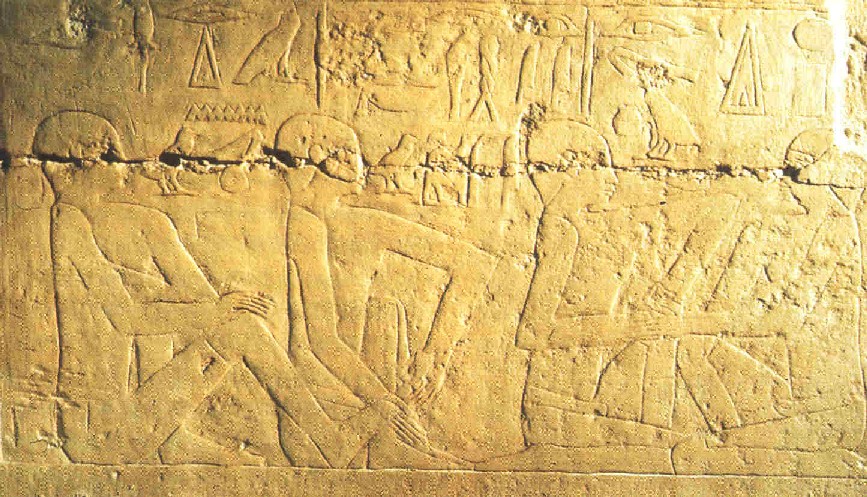
The origins of reflexology can be traced back to ancient Egyptian, Chinese, and Indian civilizations. A relief depicting people receiving foot massages was discovered in an Egyptian tomb dating back to 2330 BC.
A meta-analysis covering 26 randomized controlled trials (RCTs) conducted up to the year 2020 examined 2,276 adults. The findings showed that as the duration and frequency of reflexology sessions increased, improvements in sleep quality became more noticeable. However, the analysis also emphasized the need for larger and better-designed RCTs.
In a 2024 single-blind, randomized, placebo-controlled study, foot reflexology was administered to hemodialysis patients three times a week for three weeks in 15-minute sessions. The results showed a significant reduction in state anxiety. Quality of life was also significantly improved.
In conclusion, reflexology appears to reduce stress, improve sleep quality, support the digestive system, strengthen the immune system, and help relieve headaches and migraines. A typical session lasts about 30 to 60 minutes, during which pressure is applied sequentially to specific points on the soles of the feet. After a session, one may feel relaxed or even sleepy. Reflexology may be beneficial for individuals experiencing stress, sleep issues, or those seeking natural ways to reduce pain.
However, it is not recommended for women in the first trimester of pregnancy, individuals with open wounds or infections, or those with circulatory disorders.
Sources:
-
Kunz & Kunz (2003), Complete Reflexology for LIFE
-
Tiran (2010), Reflexology in Pregnancy and Childbirth
-
McVicar et al. (2007), CTCP – PubMed
-
Ernst, E. (2009), CTCP – Reflexology Review
-
American Reflexology Certification Board, PubMed
PT Ahmet Olgun