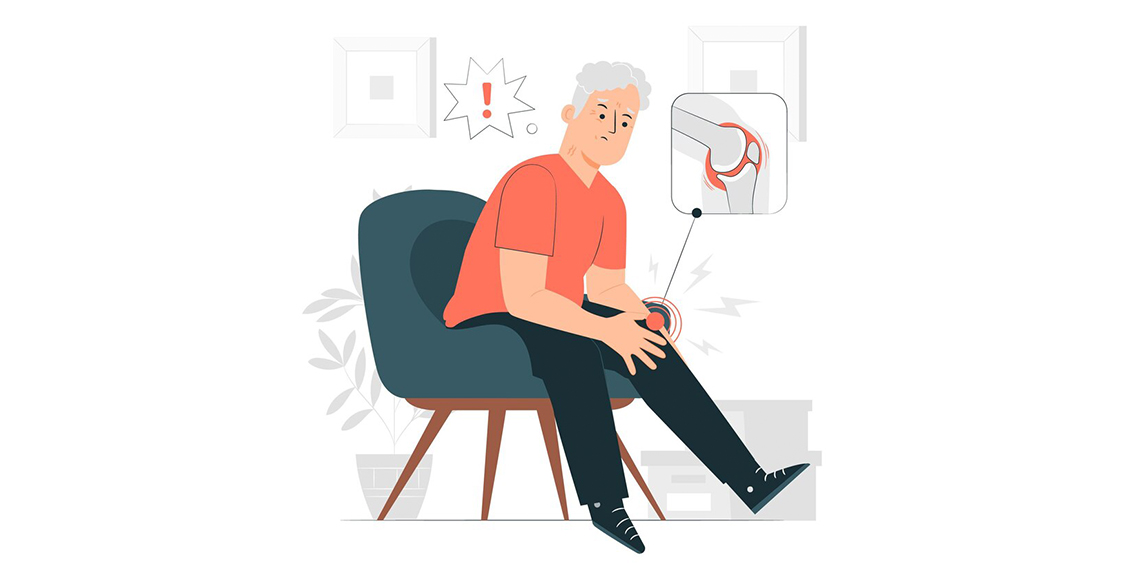
Knee pain doesn’t usually appear out of nowhere. Small daily strains, old injuries, or age-related joint wear can gradually lead to discomfort. This can affect not just walking but also climbing stairs, squatting, or even sleeping at night. Fortunately, there’s a solution: physical therapy.
Physical therapy is a personalized approach that targets the root cause of knee pain and aims for long-lasting relief.
Common Causes of Knee Pain
There isn’t just one cause of knee pain. Some of the most common ones include:
-
Osteoarthritis (joint degeneration)
-
Meniscus tears
-
Anterior cruciate ligament (ACL) injuries
-
Tendonitis and bursitis (soft tissue problems)
-
Muscle weakness or biomechanical imbalances
All of these conditions can lead to knee strain and chronic pain over time.
How Can Physical Therapy Help?
Physical therapy doesn’t just relieve pain; it focuses on restoring knee strength and stability. Here are some of the main physical therapy methods for knee pain:
1. Manual Therapy (Hands-On Techniques)
Manual therapy consists of specialized hands-on techniques performed by a physiotherapist. These include joint mobilizations, soft tissue relaxation, and muscle spasm reduction. Manual therapy helps to:
✅ Increase knee range of motion
✅ Reduce muscle tension
✅ Alleviate pain
✅ Improve blood circulation and healing capacity
This approach is particularly effective for knee osteoarthritis. According to a study by Deyle et al. (2000), combining manual therapy with exercise yields significantly better results than exercise alone.
2. Exercise Therapy
For the knee to function properly, the surrounding muscles must be strong. That’s why structured exercise is the foundation of physical therapy. Key benefits of therapy exercises include:
✅ Strengthening the quadriceps and hamstrings
✅ Enhancing balance and coordination
✅ Preventing future pain episodes
A meta-analysis by Juhl et al. (2014) found that multidimensional exercise programs (including strength, balance, and endurance training) are among the most effective treatments for knee osteoarthritis pain.
3. Electrotherapy and Supportive Applications
Technology can also help control pain through various supportive treatments:
⚡ TENS therapy: Uses mild electrical stimulation to reduce pain signals
🎯 Ultrasound therapy: Penetrates deep tissues to speed up healing
🔥 Hot-cold applications: Improve circulation and reduce swelling
These methods are particularly beneficial for acute (newly developed) pain episodes (Knee Research and Education Foundation, 2021).
4. Functional Rehabilitation and Daily Life Adaptation
Knee pain isn’t just about therapy sessions—it requires attention in daily activities as well. A comprehensive rehabilitation plan may include:
✔️ Posture analysis
✔️ Stair climbing and sitting-standing habit corrections
✔️ Kinesiology taping applications
✔️ Sport-specific return-to-play exercises
Does It Really Work?
Scientific studies confirm that regular physical therapy significantly reduces knee pain and can even delay the need for surgery. In particular, a combination of manual therapy and exercise provides long-term, lasting relief (Abbott et al., 2013).
Keep Moving with Healthy Knees
You don’t have to live with knee pain. With the right approach and a safe physical therapy program, you can reduce discomfort and improve your quality of life. Remember, early intervention is the most effective solution.
References
-
Deyle, G. D., et al. (2000). Physical therapy treatment effectiveness for osteoarthritis of the knee: a randomized comparison. Annals of Internal Medicine, 132(3), 173–181.
-
Juhl, C., et al. (2014). Impact of exercise type and dose on pain and disability in knee osteoarthritis. Arthritis & Rheumatology, 66(3), 622–636.
-
Ageberg, E., et al. (2010). Neuromuscular training in patients with knee osteoarthritis improves function and may reduce knee adduction moment. Arthritis Research & Therapy, 12(4), R136.
-
Abbott, J. H., et al. (2013). Manual therapy, exercise therapy, or both, in addition to usual care, for osteoarthritis of the hip or knee: a randomized controlled trial. British Journal of Sports Medicine, 47(8), 546–553.
-
American Physical Therapy Association (APTA), 2022 – Physical Therapy Guide to Knee Pain.
-
Knee Research and Education Foundation, 2021 – Non-Pharmacological Interventions in Knee Pain Management.