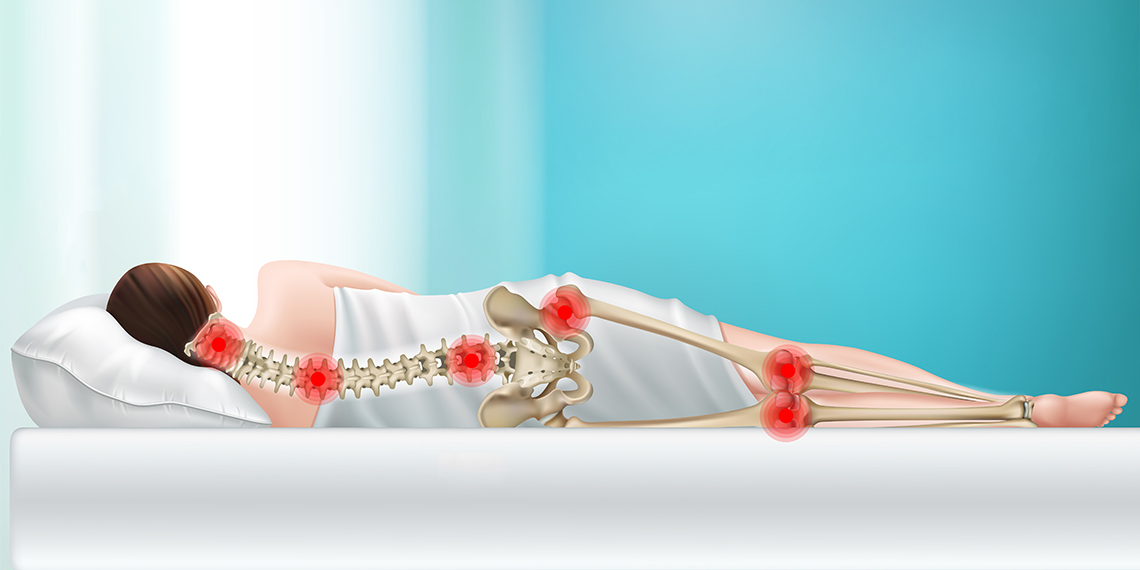
Sleeping positions significantly influence the biomechanics of the cervical spine and overall spinal health. Poor sleeping posture can place excessive strain on the musculoskeletal system, leading to chronic pain, restricted movement, and postural imbalances. The atlas (C1) vertebra, which connects the skull to the spine, plays a crucial role in spinal alignment. Misalignment in this region can result in symptoms such as headaches, dizziness, neck pain, and postural instability. This article explores how different sleeping positions affect the atlas and cervical spine and examines the role of atlas therapy and manual therapy in managing these issues.
The Impact of Sleeping Positions on the Atlas and Cervical Spine
The amount of load and support placed on the cervical spine during sleep plays a key role in muscle and connective tissue health.
1. Supine (Back) Sleeping Position
- Helps maintain the cervical spine in a neutral position.
- Proper pillow support can reduce pressure on the atlas and other cervical vertebrae.
- However, using an inappropriate pillow may cause the neck to hyperextend or flex excessively.
2. Side Sleeping Position
- Helps preserve the natural curvature of the spine, reducing muscle and joint stress.
- However, inadequate pillow support can cause lateral flexion of the cervical spine, leading to asymmetric strain on the atlas.
3. Prone (Stomach) Sleeping Position
- Causes rotation and hyperextension of the cervical spine, placing uneven stress on the atlas.
- Long-term use of this position may contribute to postural adaptation issues and musculoskeletal disorders.
The Importance of Atlas Therapy and Manual Therapy
The atlas vertebra plays a critical role in spinal alignment and central nervous system function. Poor sleeping posture can disrupt the atlas’s optimal positioning, potentially leading to chronic symptoms.
1. Atlas Therapy
Atlas therapy is a specialized manual therapy technique designed to correct C1 misalignment and restore proper function. By addressing biomechanical imbalances in the spine, it can help alleviate stress on the nervous system and improve overall spinal health.
2. Manual Therapy Techniques
- Mobilization Techniques: Enhance joint mobility by improving the movement capacity of the cervical spine.
- Soft Tissue Manipulation: Reduces muscle spasms in the neck and alleviates musculoskeletal stress caused by poor sleeping posture.
- Postural Corrections: Involves education and awareness programs to promote optimal cervical spine positioning during sleep.
Sleeping positions play a crucial role in maintaining cervical spine health. Poor posture during sleep can cause imbalances in the atlas region, leading to discomfort in the head, neck, and upper back. Atlas therapy and manual therapy offer effective solutions for correcting postural misalignments and promoting a pain-free, healthy lifestyle. Therefore, evaluating individual sleeping habits and incorporating appropriate manual therapy techniques are essential for preserving spinal health.