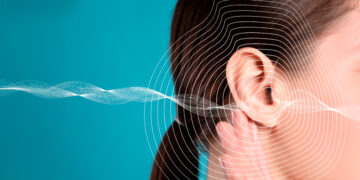
Hearing loss is often attributed to aging, ear infections, or prolonged exposure to loud noise. However, many people are unaware that temporomandibular joint (TMJ) disorders can also impact hearing health. The jaw joint and the ear share a direct anatomical and functional connection, meaning that TMJ dysfunction can lead to hearing loss, a sensation of fullness in the ears, or tinnitus.
In this article, we explore how jaw joint disorders are linked to hearing loss and how Atlas Therapy offers natural solutions to address these issues.
How Do Jaw Problems Cause Hearing Loss?
The temporomandibular joint is located close to the ear, and any irregularities in this joint can affect ear function. The following mechanisms may contribute to hearing loss:
✅ Eustachian Tube Dysfunction: Since the TMJ is located near the Eustachian tube, TMJ disorders can affect its function, leading to pressure changes, a feeling of blockage, and hearing problems.
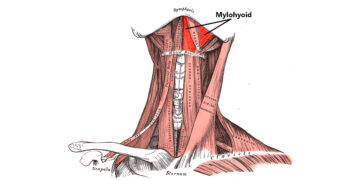
✅ Muscle Tension and Nerve Compression: Excessive tension or spasms in the jaw muscles can impact the surrounding nerves, reducing auditory sensitivity.
✅ Disruptions in Middle Ear Vibrations: TMJ dysfunction can interfere with sound transmission in the middle ear, making it harder to perceive sounds clearly.
✅ Tinnitus (Ringing in the Ears): TMJ imbalances can contribute to tinnitus, as jaw-related muscle tension may trigger persistent ringing or buzzing sounds.
Symptoms of TMJ-Related Hearing Loss
If your hearing problems stem from TMJ issues, you may experience:
✔️ A sensation of pressure or fullness in the ears
✔️ Fluctuating or mild hearing loss
✔️ Ringing or buzzing in the ears
✔️ Ear pain triggered by jaw movements
✔️ Headaches, jaw pain, and facial tension
✔️ Jaw stiffness or discomfort in the morning
If you experience several of these symptoms, assessing your jaw health may be beneficial.
Natural Solutions with Atlas Therapy
Atlas Therapy takes a holistic approach to restoring the body’s natural balance. The following methods can help alleviate hearing loss and tinnitus caused by TMJ dysfunction:
1️⃣ Atlas Correction Therapy
The Atlas (C1) vertebra, located at the top of the spine, is directly connected to the head and jaw. Misalignment of this vertebra can put pressure on the TMJ, leading to muscle tension and hearing issues. Atlas correction therapy realigns the spine, reducing stress on the jaw joint and improving hearing function.
2️⃣ Craniosacral Therapy
This gentle technique enhances mobility in the skull bones and jaw joint, promoting circulation and calming the nervous system. It is particularly effective for individuals experiencing hearing loss and tinnitus due to TMJ disorders.
3️⃣ Myofascial Release and Muscle Therapies
Excessive tension or spasms in the jaw muscles can negatively impact the surrounding nerves and auditory structures. Myofascial release techniques help relax these muscles, reducing their impact on hearing.
4️⃣ Eustachian Tube Function Support
Atlas therapy and manual techniques can support the function of the Eustachian tube, helping balance ear pressure and prevent hearing loss.
5️⃣ Correcting Jaw Position and Habits
Poor jaw movements, teeth grinding (bruxism), and improper posture can worsen TMJ dysfunction and hearing problems. Atlas Therapy helps develop healthier habits to protect jaw health.
Conclusion: Don’t Ignore Jaw Problems!
TMJ disorders can cause more than just jaw pain—they can also contribute to hearing loss, a feeling of fullness in the ears, and tinnitus. If you’re experiencing these issues, Atlas Therapy offers natural and holistic methods to support your health and restore balance.