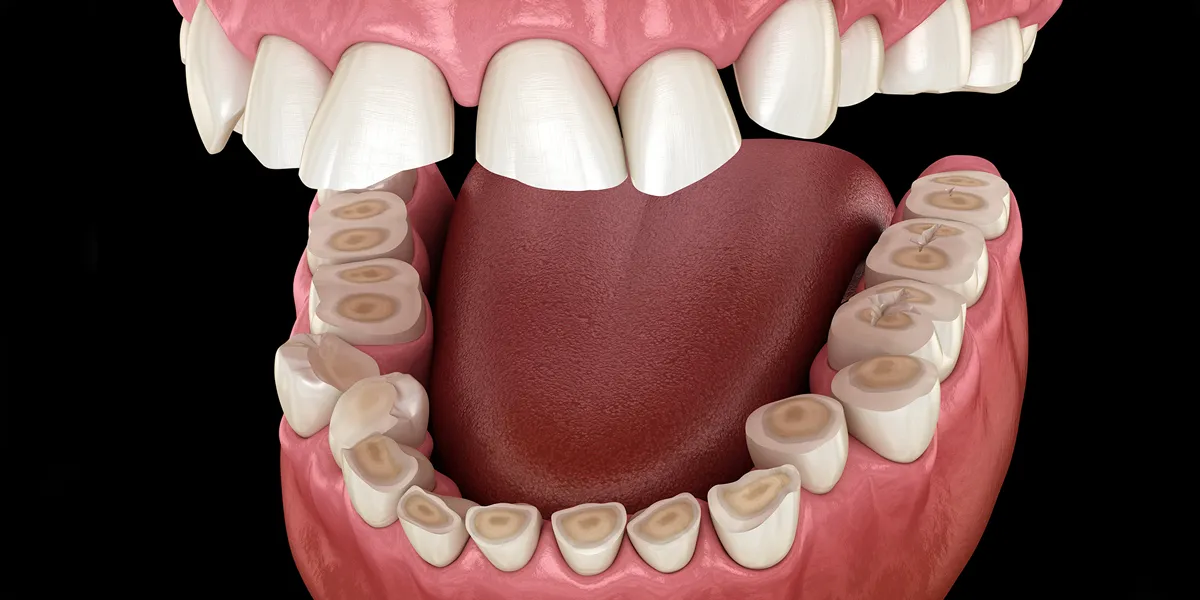
Bruxism is an involuntary activity that manifests itself as teeth clenching or grinding during sleep or during the day. When the underlying causes are investigated, they are associated with allergies, occlusal disorders, infection, genetic predispositions and, above all, stress. It is often seen more frequently in individuals who are stressed, anxious and tense.
It is known that during severe bruxism, the chewing load during normal chewing function shifts more laterally and increases up to 3-4 times in 1.5 seconds. Due to this load, degeneration occurs in the muscles around the joint and in the jaw joint.
Bruxism, one of the most common temporomandibular joint problems in children and adults, can be seen in all segments of society. With teeth clenching:
- Spasm and pain in chewing muscles,
- Neck pain,
- Wear on teeth
- Poor quality of sleep
- Limitation in chewing functions
- Postural changes
- Dizziness
- Tinnitus
- Many complaints such as headache may occur.
In the treatment of bruxism, holistic treatment success can be achieved with dental splints, medical approaches, psychological therapies and physiotherapy.
Splints are used in the treatment of bruxism, especially during sleep. The aim of these splints is to maintain tooth position by preventing tooth contact and to minimize the load on the chewing muscles.
Bruxism is one of the important factors that initiate posture changes along with long-term load on the temporomandibular joint and increased jaw activity. The cervical region muscles, which work synergistically with the chewing muscles, are also affected by postural changes, and especially the forward head posture triggers spasm in the neck region muscles and neck pain. For this reason, stretching applications to the neck area, isometric exercises, manual therapy applications and mobilizations should be added to the bruxism therapy process.
In addition, manual therapy techniques and exercise practices focusing on the chewing muscles and the muscles around the temporomandibular joint appear to be effective in reducing the symptoms of bruxism.
Some manual therapy techniques that can be performed during the bruxism therapy process can be listed as follows;
- Stretching exercises that can be done on the muscles
- Trigger point applications applied externally to the jaw muscles
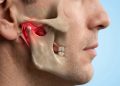
- Trigger point and necessary relaxation applications applied through the mouth
- Additionally, relaxation practices for the temporalis muscle, one of the chewing muscles
- Stretching applications to the cervical region muscles
- Cervical region deep tissue and massage applications
- Exercises to relax the cervical fascia
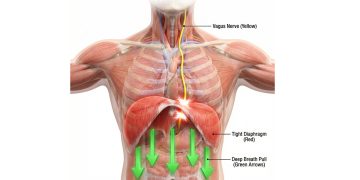
- Diaphragm breathing exercises
- Mewing (pressing the tongue to the upper palate) exercise
It is seen that muscle pain, mouth opening, anxiety, stress and head posture can be improved in individuals with bruxism with manual therapy applications.
During the bruxism therapy process, it should not be forgotten that, in addition to the therapist’s practices, the individual’s tongue posture during the day, the exercises and relaxation techniques to be applied are also very important.
Considering that bruxism is a behavioral function change and the primary basis of the problem is stress and anxiety disorder, the person may also need to receive psychological support.
As a result, the process to be implemented with dentists, physiotherapists and psychologists in the process of bruxism is the most effective and reliable method.
You can reach us for physiotherapy services in many places across our country, get in touch with our Istanbul & Mersin branches.