Pudendal neuralgia is a chronic pain condition that arises from irritation or compression of the pudendal nerve located in the pelvic region. It typically presents with symptoms such as burning, stabbing, or electric shock-like sensations in the pelvic area, pain that worsens while sitting, sexual dysfunction, and problems related to urination or bowel movements. If left untreated, it can severely impact quality of life. In this blog post, we will explore the role of complementary approaches like physiotherapy and atlas therapy in the treatment of pudendal neuralgia.
What is Pudendal Neuralgia?
The pudendal nerve is a critical nerve that innervates the muscles, skin, and organs of the pelvic region. It can become compressed or irritated due to activities such as cycling, prolonged sitting, trauma, pelvic surgery, or muscle spasms. Although it can occur in both men and women, it is more frequently observed in women due to pelvic anatomy. Diagnosis is usually made through a detailed medical history, physical examination, and sometimes nerve conduction tests.
Physiotherapy and Pudendal Neuralgia
Physiotherapy holds a significant role in the treatment of pudendal neuralgia. Tension, weakness, or improper usage of the pelvic floor muscles can affect the pudendal nerve. Physiotherapists develop a personalized treatment plan based on individual needs. The primary goals of physiotherapy in pudendal neuralgia include:
-
Pelvic Floor Rehabilitation: Exercises are used to relax or strengthen the pelvic floor muscles. For example, Kegel exercises help strengthen the muscles, while reverse Kegels promote relaxation.
-
Manual Therapy: Physiotherapists may use soft tissue massage or myofascial release techniques to alleviate muscle tightness and trigger points in the pelvic area.
-
Biofeedback: This method helps patients visualize pelvic floor muscle activity, aiding in proper muscle control.
-
Posture and Movement Education: Incorrect sitting or movement habits can irritate the pudendal nerve. Physiotherapists provide guidance on ergonomic adjustments and proper posture techniques.
-
Pain Management: Methods such as TENS (transcutaneous electrical nerve stimulation) can be used to help relieve pain.
Physiotherapy is an effective method for reducing the symptoms of pudendal neuralgia and is often combined with other treatments.
Atlas Therapy and Pudendal Neuralgia
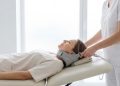
Atlas therapy is a manual therapy method that focuses on correcting the alignment of the atlas (C1), the topmost vertebra of the cervical spine. Misalignment of the atlas can exert pressure throughout the spinal column and nervous system, potentially affecting the pelvic region. The connection between pudendal neuralgia and atlas therapy lies in the principle of supporting the nervous system as a whole.
Potential benefits of atlas therapy for pudendal neuralgia include:
-
Nervous System Balance: Correcting the atlas alignment can reduce pressure on the nervous system, potentially alleviating irritation of the pudendal nerve.
-
Reduction in Muscle Tension: A misaligned atlas can cause tension in the neck and back muscles, which may indirectly affect the pelvic floor muscles. Atlas therapy can break this chain.
-
Improved Circulation: Atlas correction may enhance blood flow and lymphatic drainage, reducing inflammation in the pelvic region.
-
Holistic Approach: By improving overall body alignment and balance, atlas therapy can address additional factors contributing to pudendal neuralgia.
Atlas therapy is usually performed over a series of sessions by a trained specialist. While it is not a standalone cure for pudendal neuralgia, it can provide effective support when combined with physiotherapy and other treatments.
Pudendal neuralgia is a complex condition that can severely impact quality of life, but it can be managed with the right therapeutic approaches. Physiotherapy effectively targets the pelvic floor muscles to reduce pain, while atlas therapy supports the nervous system and body alignment, playing a complementary role. When applied by an expert team, both approaches offer powerful tools to alleviate symptoms and enhance the patient’s quality of life.
If you are experiencing symptoms of pudendal neuralgia, it is advisable to consult with a neurologist, a pelvic floor physiotherapist, or an atlas therapist to create a treatment plan tailored to your condition.