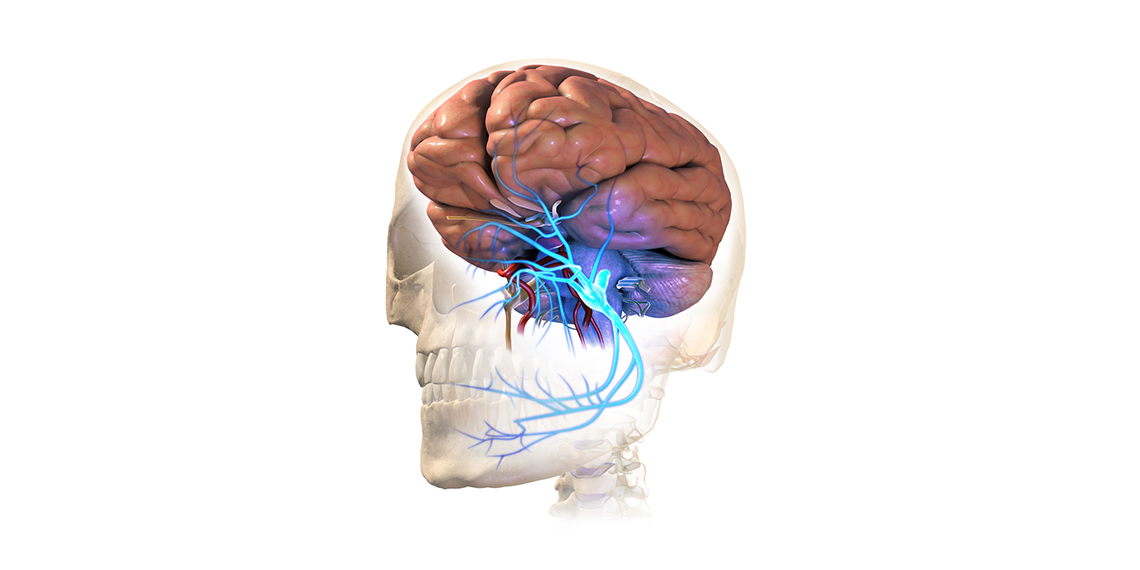
What is Trigeminal Neuralgia (TN)?
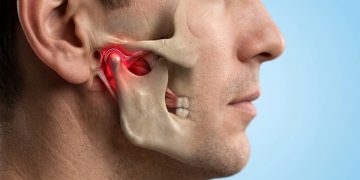
Trigeminal neuralgia is a nerve disorder characterized by sudden, severe, and short-lasting pain attacks on one side of the face, affecting one or more branches of the fifth cranial nerve, the trigeminal nerve.
The most common causes include:
-
Compression of the nerve by a vascular structure (usually at its exit from the brainstem),
-
Demyelinating diseases (e.g., Multiple Sclerosis),
-
Tumors, trauma, or nerve entrapments.
Physiotherapy and Atlas Therapy
Physiotherapy aims to improve patient function through methods such as exercise, manual therapy, electrotherapy modalities, and education, targeting the musculoskeletal and nervous systems.
Atlas therapy is a method that lies between physiotherapy and chiropractic care. The C1 vertebra (Atlas) is the first vertebra located between the head and the spine and is in close anatomical proximity to the brainstem. A slight misalignment (subluxation) of the Atlas can create mechanical pressure on the spinal cord, brainstem, and surrounding neural structures. Reducing this pressure may have a positive effect on headaches and neurological symptoms, especially those originating from the head and neck region.
The Connection Between Trigeminal Neuralgia and Atlas Therapy
-
Brainstem Relationship: The trigeminal nerve emerges from the brainstem. Misalignment of the Atlas vertebra can increase irritation of the nerve by affecting mechanical stress and circulation at the brainstem level.
-
Postural Imbalance: Abnormalities in head and neck posture can indirectly compress branches of the trigeminal nerve through cervical muscles and ligaments. Atlas alignment may help correct these imbalances and have an indirect effect.
-
Muscle-Tendon-Fascia Tension: Spasms in regions such as the SCM (sternocleidomastoid), trapezius, and suboccipital muscles can increase facial pain. This can be alleviated through manual therapy and muscle relaxation techniques.
-
Stress Reduction and Nervous System Regulation: Atlas alignment may support autonomic nervous system regulation, thereby increasing the pain threshold.
Scientific Support
There are still limited large-scale randomized controlled trials on the relationship between Atlas therapy and TN. However, some case reports and comprehensive observational studies suggest that Atlas alignment may reduce TN symptoms (e.g., Ierano & Richards, 2023).