Our body is a complex and holistic structure in which all systems work together. Many systems that may initially seem unrelated can actually influence each other directly or indirectly. The relationship between the auditory system and spinal mechanics has become an increasingly interesting topic in recent years. Research provides significant insights into how spinal posture and angular disorders interact with hearing functions.
Spinal Mechanics and the Auditory System
The spine is one of the fundamental support structures of the nervous system, directly connected to both the central nervous system (brain and spinal cord) and peripheral nerves. The cervical spine, in particular, is in close proximity to the vestibular and auditory systems as it is located just below the skull.
The cervical vertebrae work together with the muscles that maintain head balance, determining our posture. However, postural misalignments or angular changes in this region can affect blood flow at the skull base, nerve conduction, and mechanical tensions.
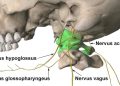
Notably, the upper cervical vertebrae (C1, C2, and C3) are directly linked to the brainstem and the vestibulocochlear nerve (cranial nerve VIII). Misalignments in this region may disrupt the transmission of auditory signals, negatively affecting hearing functions.
Effects of Spinal Angle Disorders on Hearing Loss
1. Impact on Blood Flow and Circulation
The vertebral artery, which supplies blood to the brain and inner ear, passes through the cervical vertebrae, ensuring critical blood circulation. Postural disorders in the neck (such as hyperlordosis or kyphotic posture) can put pressure on the vertebral artery, limiting blood supply to the inner ear. Reduced blood flow may deprive cochlear cells of oxygen and nutrients, increasing the risk of hearing loss.
2. Effects on Nerve Conduction and Compression
Misalignments in the spine can create pressure on the cervical plexus and cranial nerves. In particular, issues in the C1-C2 region may indirectly affect the function of the vestibulocochlear nerve, preventing the proper transmission of auditory signals to the brain.
3. Temporomandibular Joint (TMJ) Dysfunction and Its Effects on Hearing
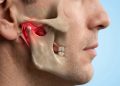
Spinal posture also directly affects the health of the temporomandibular joint (TMJ). Functional disorders in the TMJ can trigger reflex mechanisms on the inner ear muscles, altering auditory sensitivity.
Studies suggest that changes in cervical posture significantly impact both the TMJ and the auditory system. Therefore, maintaining spinal alignment may be crucial for both TMJ health and hearing functions.
Clinical Findings and Research
- Postural Disorders and Changes in Hearing Thresholds: Research has observed that a decrease or flattening in cervical lordosis can lead to changes in hearing thresholds. Improvements in auditory sensitivity have been reported after applying manual therapy and postural corrections.
- Muscle Tension and Auditory Perception: Increased tension in neck muscles (e.g., sternocleidomastoid or suboccipital muscles) may cause indirect pressure changes in the inner ear, leading to tinnitus or hearing loss.
- Posture, Vestibular System, and Proprioceptive Feedback: Spinal posture is directly linked to balance mechanisms in the inner ear, which can have indirect effects on hearing functions.
The relationship between the spine and the auditory system should be evaluated not only from a mechanical perspective but also from neurological and circulatory standpoints. Cervical spinal angle disorders can affect hearing functions through vertebral artery circulation, nerve conduction, and the overall function of the musculoskeletal system.
Therefore, postural assessment and manual therapy techniques can be considered supportive approaches for individuals with hearing loss. Addressing problems related to the cervical region and TMJ has the potential to improve auditory functions.
Understanding the connection between hearing loss and spinal angle disorders requires a multidisciplinary approach. While further clinical research is needed in this area, existing data provide valuable insights into the potential effects of postural adjustments on hearing health.